

We read every line of personalisation before it goes to the press, which means that over a few hundred orders you notice patterns nobody set out to create. Nothing here identifies anyone; these are the shapes of what people write, from the orders that have come across the bench this year, and what they suggest if you are about to type your own.
Most orders are a first name and nothing else
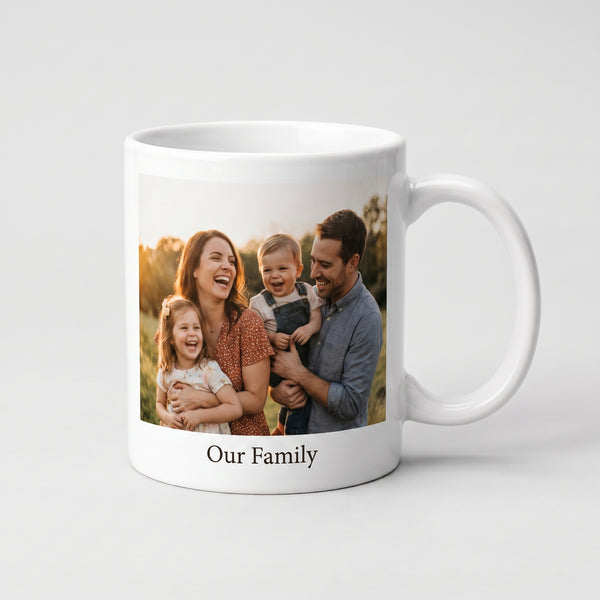
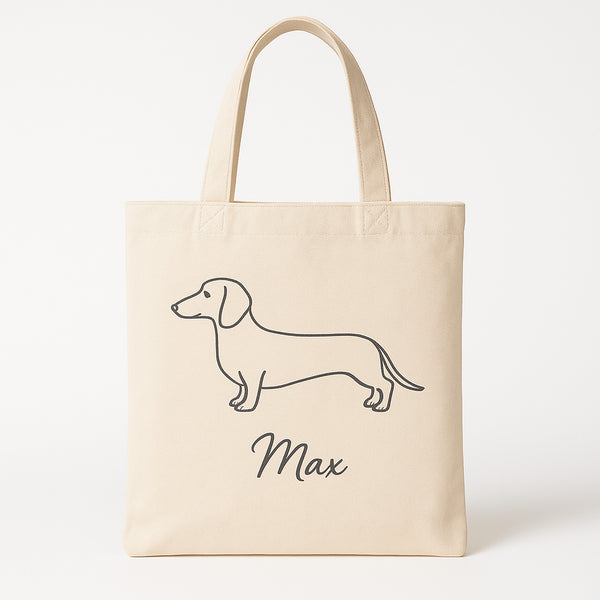
The single most common personalisation, by a distance, is one first name. Not a surname, not a message: "Sophie" on a bottle, "Grandad" on a mug, "Emily" on a glass. It is also the personalisation that comes back with the fewest queries, because there is nothing to misread. If you are unsure what to write, the answer the majority arrives at is the name, large.
Two lines belong to aprons and bookmarks
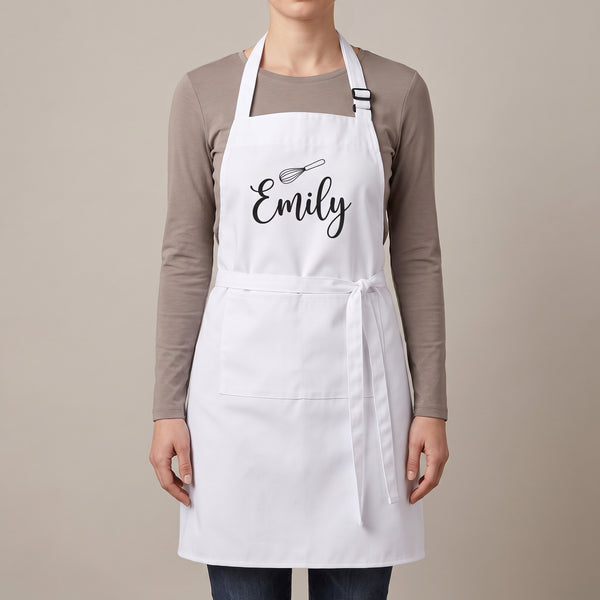
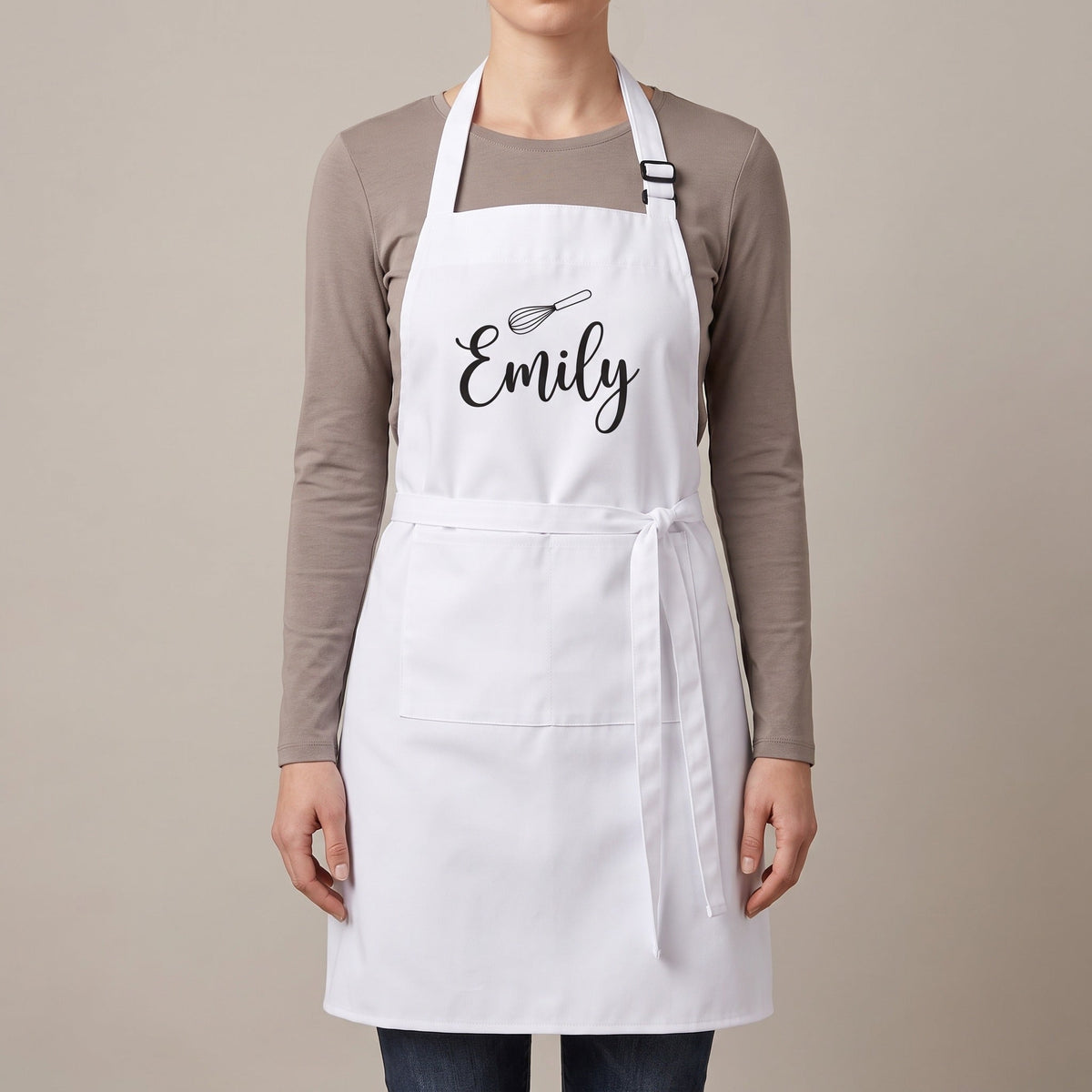
Longer wording clusters on two products. Aprons carry a name and a line ("ALEK / The fun guy in the kitchen"), and the second line is nearly always affectionate rather than instructional. Bookmarks carry the longest text of anything we print: a teacher's leaving message from a whole class, a quote, a dedication of forty words. Everything else is short, and the products with the smallest print areas (the glass, the jewellery box lid) get the shortest wording without anyone being told to keep it short.
The note box is used by about a third
Roughly one order in three includes a note. Most notes are placement ("logo top left, name underneath"), some are reassurance ("the spelling is correct, it is Welsh"), and a few are instructions that should have been in the wording field. The useful pattern: notes about placement help; text meant for printing should go in the text field, where it is checked and shown on the order.
Logos arrive with white boxes
Business orders (aprons, glasses, signs, shirts) most often come with a JPEG logo on a white background, taken from a website. It prints fine on white products and needs cutting out for black or clear ones, which we do; but the orders that go fastest are the ones with a transparent PNG or an SVG. The logo file guide exists because of this pattern.
Colour: the default wins, then white on black
Most people keep the default text colour, which is why we set it carefully per product (terracotta on most, white on the coloured food jar and bento). Where people change it, the change is nearly always towards contrast: white or gold-yellow on the black apron, black on canvas. The colour that causes trouble is a pastel chosen on a phone screen for a white product; the colour guide is the result.
Dates come in every format
"14.06.2026", "14th June 2026", "14/6/26", "June 14, 2026": all appear, and all are printed exactly as typed. The one that causes a query is American month-first order on a UK gift, because it is usually not intended. Decide the format once; the birth details guide shows the layout that reads best.
Emoji, accents and apostrophes all print
A mushroom emoji on an apron, a chef emoji on a tumbler, Zoë, Siobhán, O'Brien: all have come through and all printed correctly, because the wording is copied from the order rather than retyped. The only thing that does not survive is leading or trailing spaces, which are trimmed.
What this suggests when you order
- A first name, large, is the personalisation most people end up choosing, and the safest.
- Put printed text in the text field; put placement in the note.
- Keep the default colour unless you are moving towards more contrast.
- Decide the date format before typing it.
- Send a transparent PNG or SVG for a logo if you have one.
Everything is read, then printed to order in Cheshire, usually dispatched within one to three working days, with free UK delivery. How we check every order describes the reading; the wording guides for mugs, aprons and bookmarks have the lists.
Frequently asked questions
What do most people write on a personalised gift?
One first name and nothing else. It is the most common personalisation we print and the one that needs the fewest queries.
Which products get the longest wording?
Bookmarks (class messages, quotes, dedications) and aprons (a name with an affectionate second line). Small surfaces like the glass and the jewellery box lid get the shortest.
Do emoji and accented names print correctly?
Yes. Wording is copied from the order rather than retyped, so Zoë, Siobhán, O'Brien and emoji all print as entered; only leading and trailing spaces are trimmed.


